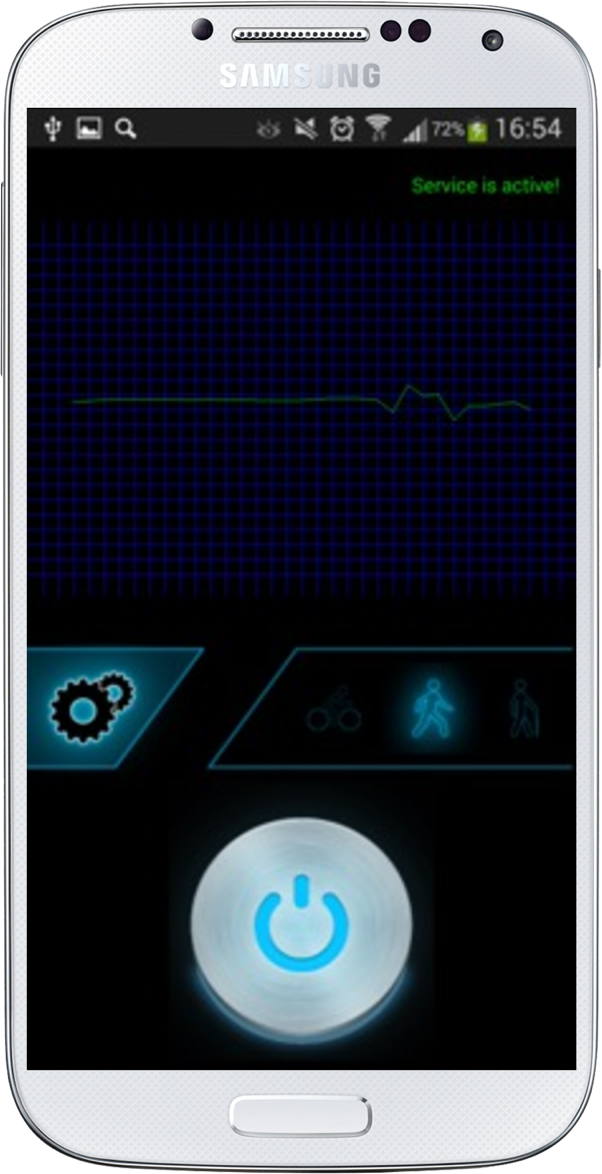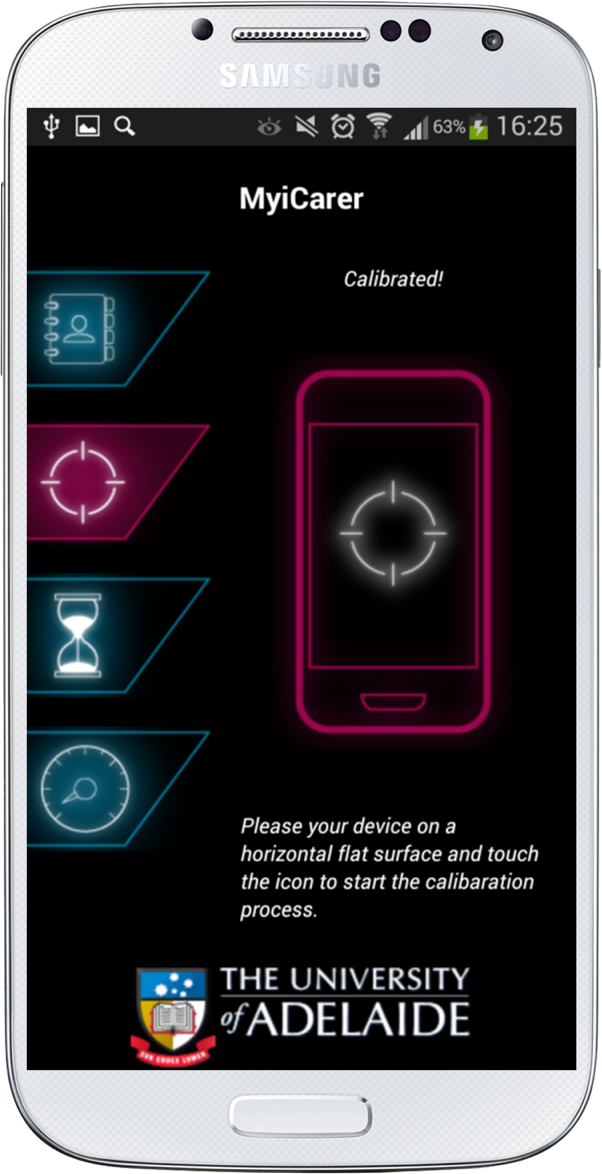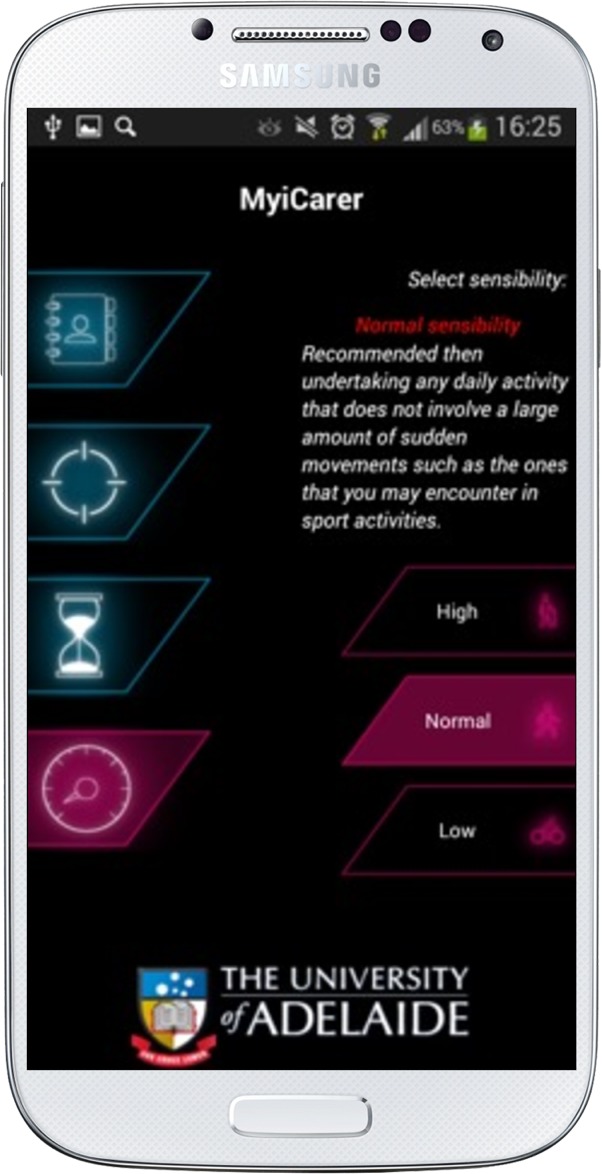

About the project
This project mainly focus on establishing a mobile application to prevent unintended event when the older people falling down on the ground suddenly.
The Approach
This system mainly has three users: i) an older person ii) caregivers and iii) family members.
The older person carries a smart phone and the system should analyse data collected from the mobile phone sensors to determine the mobility related measures of the person. Based on these measures, the system should alert the caregiver and the family member when there is a significant change in the mobility is recognized.
The mobile phone should also be able to detect falls. In case of a fall the system waits 2 minutes before alerting the caregiver and the family member, allowing the older person time to disable the notification. This notification should contain information location information and preferably a closest land mark (such as a nearby store or a bank) so that the caregiver and the family member can easily identify the location of the fall. All the emergency notifications should be sent using short message service (SMS). Alternatively, we should be able to configure the app such that in case of an adverse event, e.g. a fall, the phone attempts to call any one of 5 emergency contacts previously set on the app. Most importantly, the user interface of the app should be very easy to use from a patient point of view.
The caregiver is the main information receiver of this system. The caregiver should be able to view the daily walking duration and the average walking speed of the person. Furthermore, caregiver should be allowed to see all the fall incidents irrespective of whether they are notified or not.
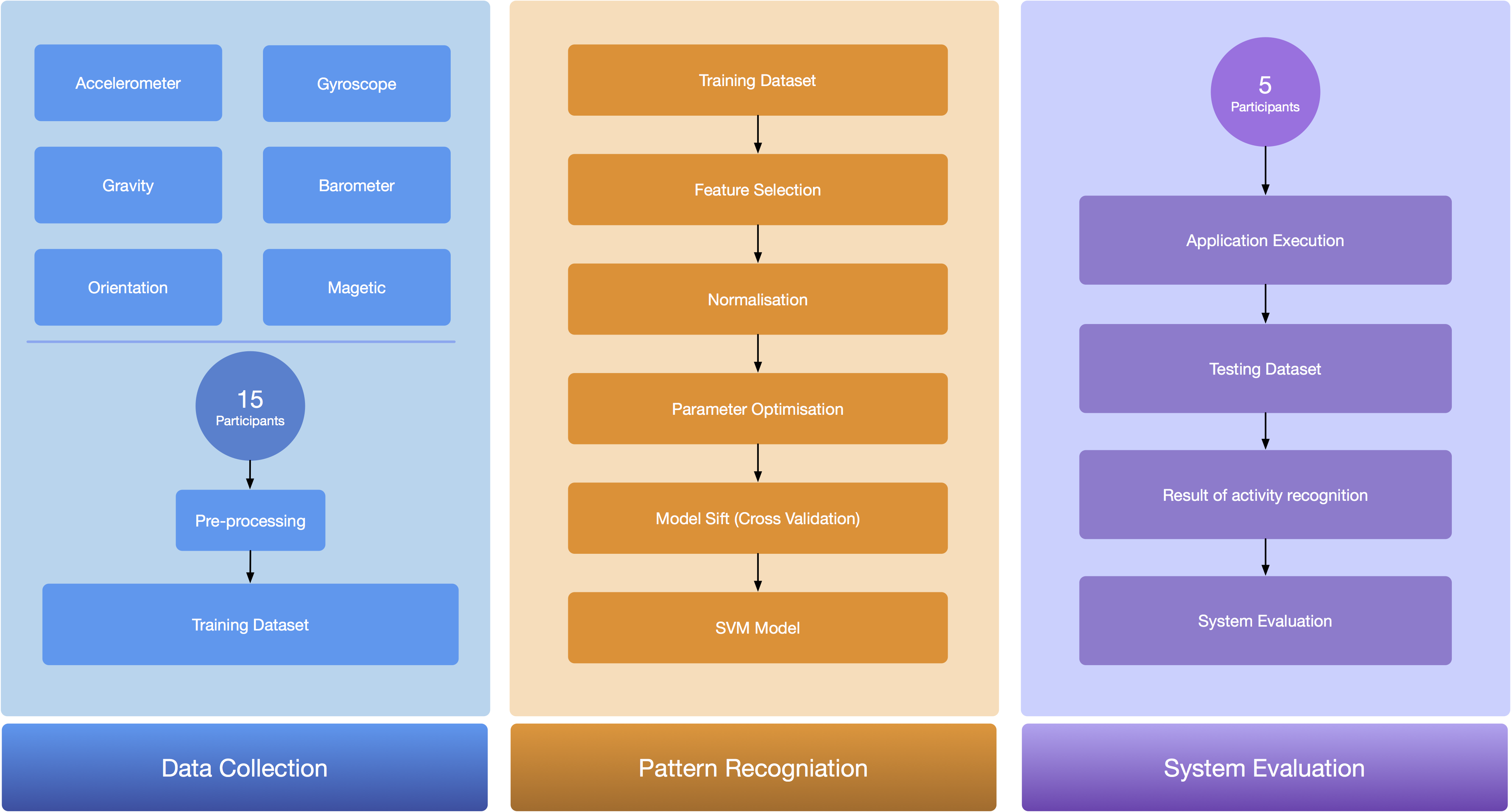
This system mainly relies on human activity recognition. First, the system needs to query the sensors in the mobile phone to capture motion. In order to identify walking related measures, the system should be able to identify walking activity among many other activities. Then the system must determine whether the waking pattern is significantly different to the initial walking pattern. These involve classification and anomaly detection.
The system should periodically upload the processed information to a server to be accessed by caregivers. There are two user interfaces, one of the older people to configure caregiver and family member contact details, to view falls incidents and walking durations. The other interface is for the caregiver; this needs to support monitoring of multiple older persons and at a given instance information related to a single person must be shown. Furthermore, this should provide facilities to add and remove monitored persons.
Related Skills
Python, Machine Learning (SVM), Matlab, Android Development, Photoshop
System Mind Map
The Result